How to Transform Early Childhood Education in Australia with Innovative Methods
Embracing Creativity in Classrooms
As an early childhood educator in Melbourne, I’ve witnessed firsthand the transformative power of creativity in the classroom. Among the lush paths of Fitzroy Gardens, the outdoors offer an ideal setting for innovative learning activities that inspire both educators and children. It’s a space where curiosity thrives and the traditional classroom boundaries fade away, showing that education can be as vibrant and dynamic as the environment around us.
Hands-On Learning Activities
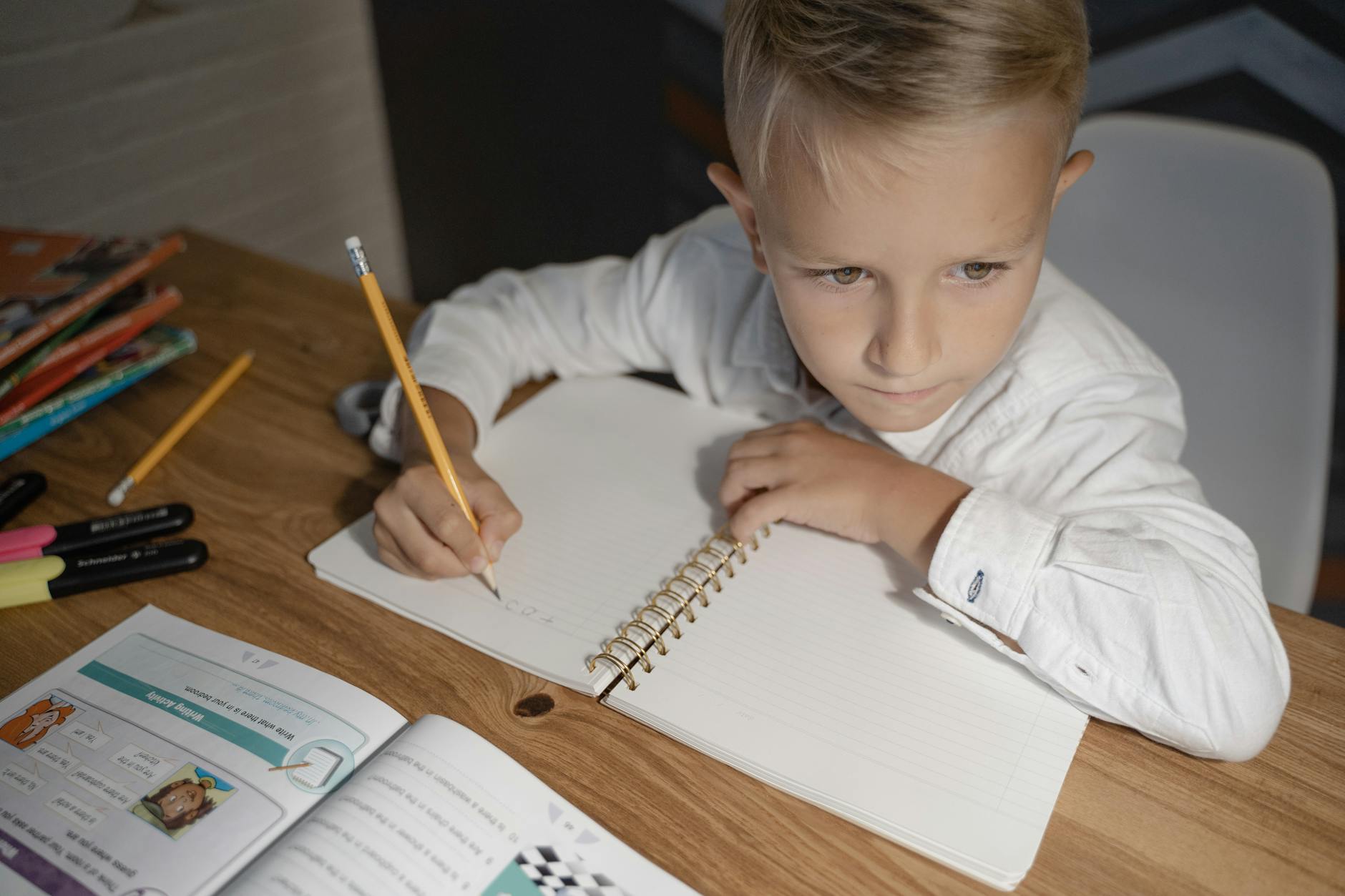
Hands-on learning is crucial for early childhood education. In my practice, I’ve incorporated activities that engage multiple senses, ensuring students are active participants in their own learning journeys. For instance, simple activities such as creating art from natural materials found during a walk at Fitzroy Gardens encourage exploration and creativity. This approach not only holds students’ attention but also supports their cognitive and physical development.
Integrating Arts and Music
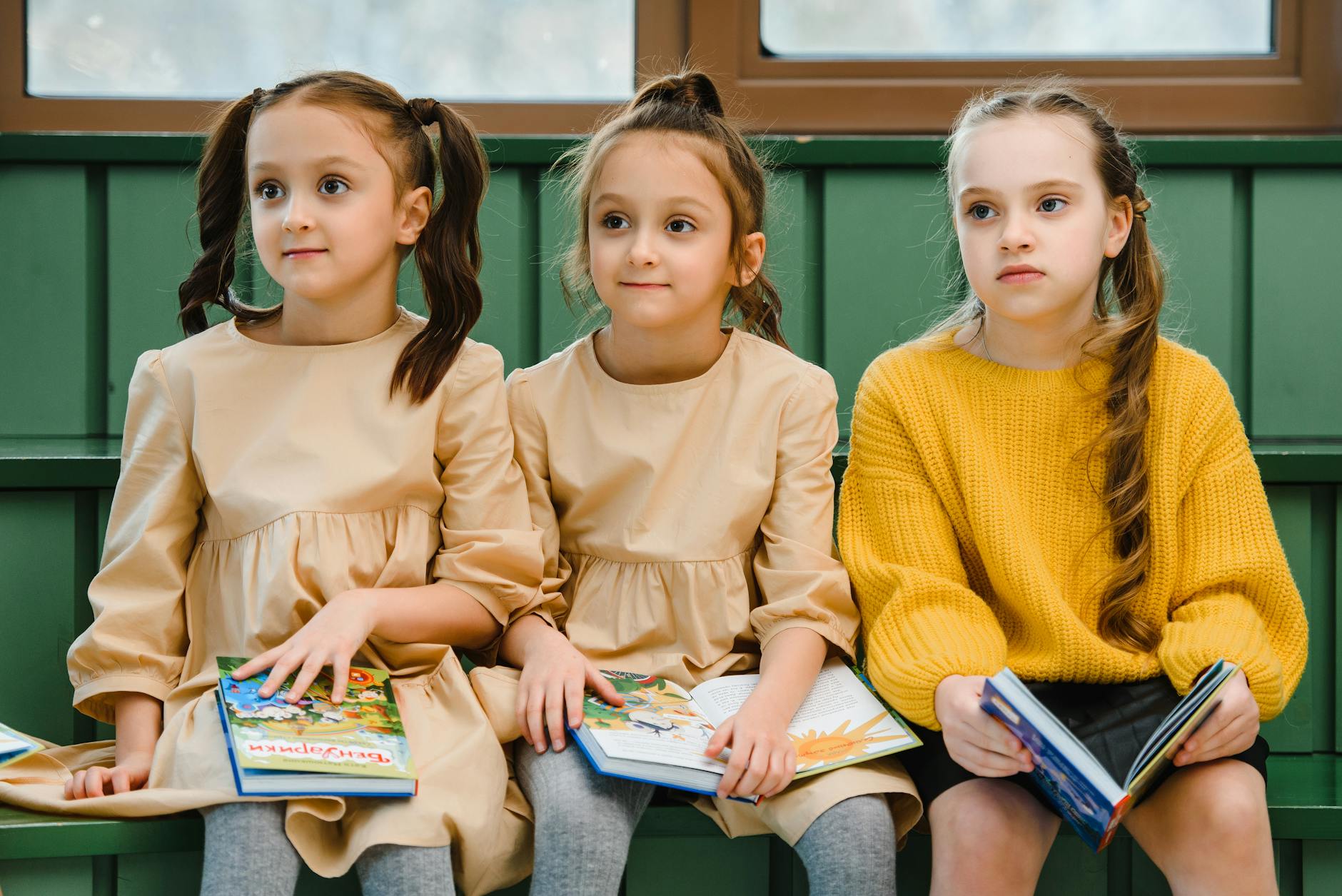
Incorporating arts and music into the curriculum can transform the learning process. Utilizing music stories and craft sessions, my students are not only honing their fine motor skills but are also embracing the expressive arts. As we've seen at institutions like the Melbourne Recital Centre, art ignites imagination, allowing children to express ideas and feelings that might otherwise remain unexplored.
Encouraging Creative Thinking
Fostering an environment where creative thinking is encouraged is fundamental. I’ve noticed that projects allowing open-ended exploration and problem-solving significantly enhance cognitive skills. By drawing on personal teaching experiences and the resources available through a diploma of community services, innovation becomes second nature. Education moves beyond facts, guiding children toward innovative problem-solving and critical thinking skills, setting a foundational mindset for lifelong learning.
Harnessing Technology
Interactive Educational Tools
Incorporating technology into early childhood classrooms has revolutionized our approach to education. My own experiences with early childhood education in Melbourne have shown that interactive educational tools offer endless possibilities. From tablets preloaded with educational games to interactive whiteboards that engage young learners, these tools create a dynamic and engaging learning environment. Imagine walking through the innovative spaces of the Melbourne Recital Centre, where cultural exploration days take a digital turn with virtual reality experiences. These technologies make abstract ideas tangible for children, fostering deeper understanding.
Safe Virtual Learning Spaces
Creating safe virtual learning environments is crucial. Ensuring that these digital spaces are secure and age-appropriate must be a priority for educators and parents alike. When utilised effectively, virtual spaces offer a unique opportunity for students to explore and learn beyond geographical constraints. My own approach in Melbourne involves carefully curated content that supports curriculum goals while keeping students safe from inappropriate material.
Gamification in Education
Gamification in education has become a powerful tool to motivate and engage young learners. By integrating game elements into learning activities, children can approach education with the same enthusiasm as play. For example, in my classroom, gamified learning experiences have transformed mundane tasks into exciting adventures, motivating students to achieve their potential. Integrating gamification requires creativity, but the rewards in student engagement and enjoyment make it worthwhile.
Fostering Emotional Development
Building Emotional Intelligence
As an early childhood educator in Melbourne, I've come to appreciate the immense value of nurturing emotional intelligence in young learners. Emotional intelligence is more than just recognising feelings; it's about teaching children to manage emotions, empathise with others, and navigate social interactions effectively. Workshops I've attended at the State Library Victoria have provided invaluable insights into creating programs that support these skills. In my classroom, I encourage open conversations about emotions. Sharing stories and experiences helps children identify their feelings and understand others' perspectives, laying the foundation for strong social connections.
Mindfulness Practices for Kids
Incorporating mindfulness practices into daily routines in early education settings can significantly benefit children's emotional well-being. I've seen firsthand how simple activities such as mindful breathing or guided visualisations can enhance focus and reduce anxiety. Working near Fitzroy Gardens has inspired me to use outdoor settings for these practices. For instance, during outdoor learning activities, we often pause to listen to the sounds of nature, promoting a sense of calm and awareness. This natural integration of mindfulness not only helps children manage their emotions but also fosters a deeper connection with their surroundings.
Social Skills Development
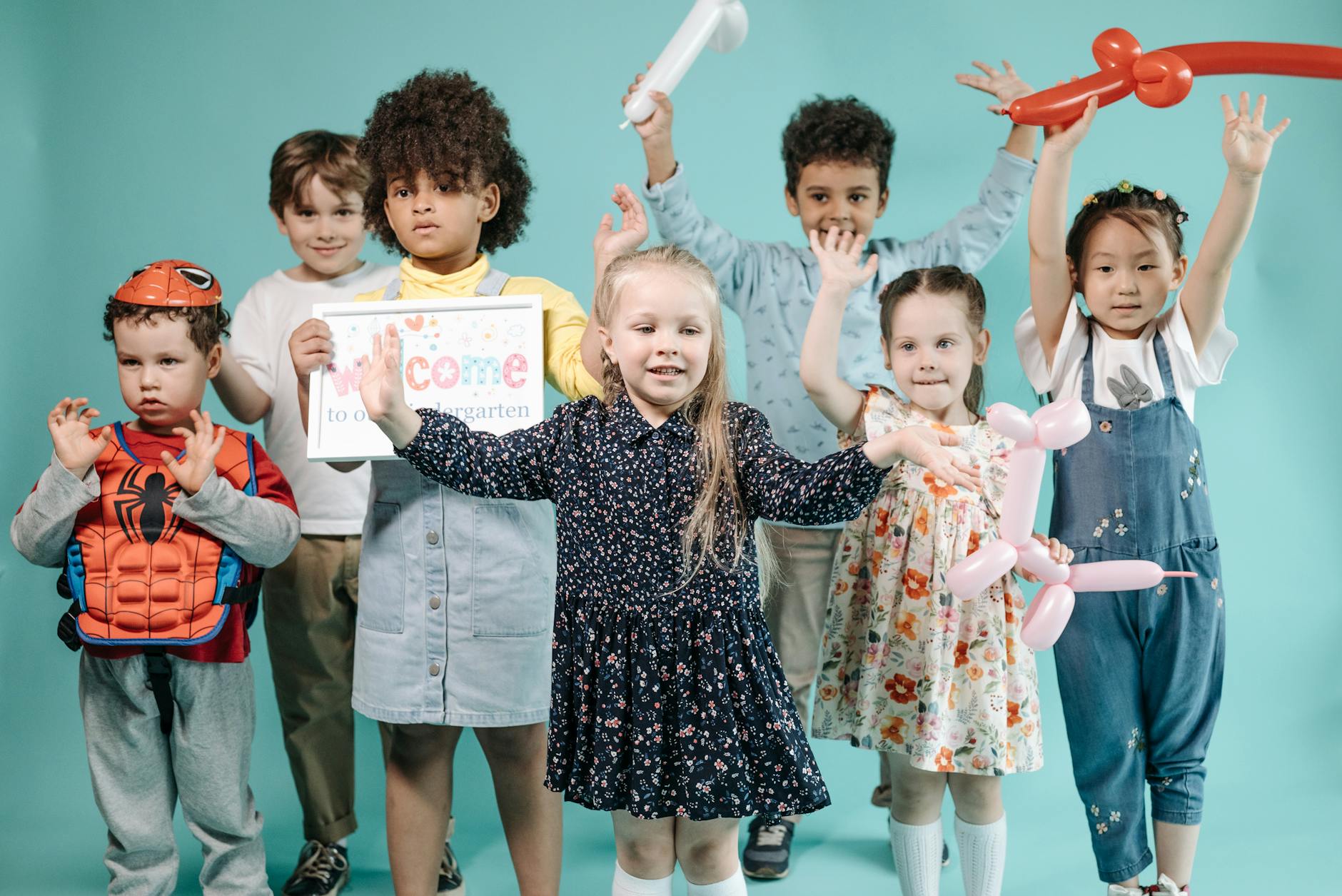
Developing social skills is crucial as children begin to interact more with peers and adults. Incorporating cooperative games and group projects into my lessons promotes teamwork and communication. While teaching at a kindergarten inspired by innovative methods, I've integrated activities such as role-playing and collaborative storytelling, which encourage children to express themselves and respect diverse viewpoints. Additionally, for those interested in entrepreneurial pathways in education, studying child care courses can offer further strategies for fostering these essential skills in early learners.
Innovative Curriculum Design
Project-Based Learning Models
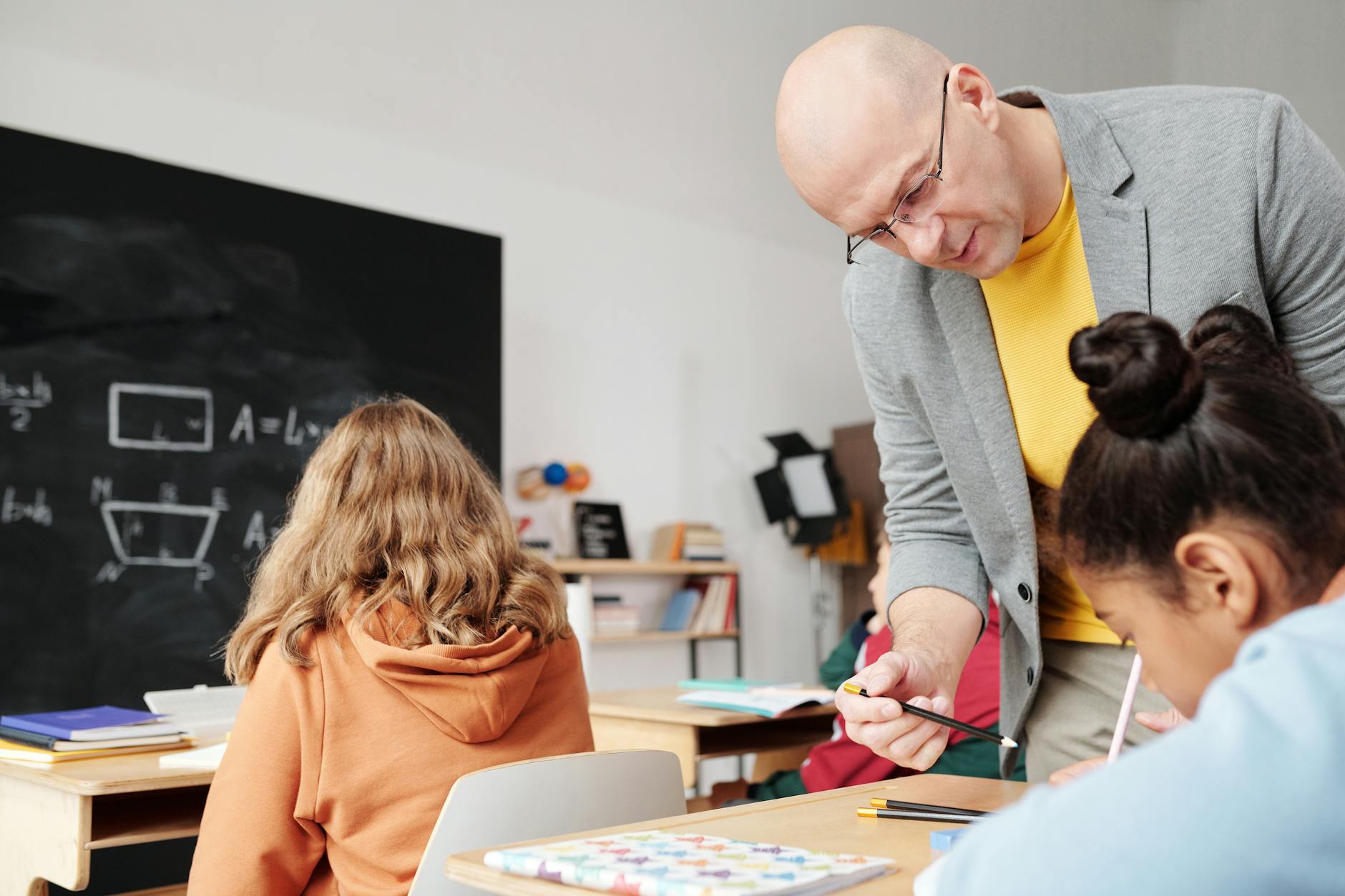
Crafting a curriculum that is both innovative and rooted in practical exploration begins with project-based learning. In my own classroom journey, I've witnessed the power this approach has in transforming passive learners into active participants. By encouraging children to engage in real-world projects, we unlock a deeper understanding of subjects. This method not only nurtures critical thinking but also enhances problem-solving skills, aspects that are invaluable as students progress.
Incorporating STEM Early
Introducing STEM education early on is another key component of a forward-thinking curriculum. By weaving science, technology, engineering, and mathematics into the annals of learning, we prepare students for future challenges. From hands-on science experiments to basic engineering tasks, these activities cultivate an enduring curiosity and a passion for innovation. Coupled with Melbourne's dynamic spirit, our children are well-placed to thrive in this ever-evolving world.
Customized Learning Paths
Every learner is unique, and recognising this diversity fosters a more inclusive and effective educational environment. Creating customized learning paths allows us to tailor educational experiences to each child's strengths, interests, and pace. By doing so, we ensure that each student's journey is as personalized as it is enlightening. While many professionals follow aged care courses to specialise, as educators, we can draw parallels by focusing on specialisation early on, adapting to the individual needs of our learners.
Incorporating these strategies not only supports academic growth but also nurtures a generation that is more adept at adapting to any landscape they encounter.
Balancing Tradition and Innovation
In my journey as an educator in Melbourne, I've found that striking the right balance between traditional teaching methods and innovative practices is both a challenge and an art. It's akin to a dance, where each step respects the rhythm of time-tested pedagogies while embracing the bold moves of modern innovation. When I lead a nature walk in Fitzroy Gardens, I see how outdoor learning not only respects but also rejuvenates conventional methods, breathing life into the preservation of core educational values.
Addressing Diverse Learning Needs
Recognising and addressing the diverse learning needs of children is crucial in this ever-evolving educational landscape. Every child is unique, and our curricula must reflect this diversity to support individual talents and abilities. At times, I draw inspiration from cultural exploration days at the Melbourne Recital Centre, where children from varied backgrounds find a common ground for expression. Integrating such cultural programs into everyday learning cultivates an environment where every voice is heard, and every potential is realised.
Navigating Regulatory Requirements
Navigating the maze of regulatory requirements can be daunting for educators and entrepreneurs alike. Yet, with resources such as the educational workshops at the State Library Victoria, we can equip ourselves with the knowledge and strategies to seamlessly integrate innovative practices within set frameworks. These workshops are treasure troves of insight, guiding us to forge paths that are both innovative and compliant. By immersing ourselves in these resources, we elevate our educational ventures, making them not just compliant, but exemplary.
By maintaining this balance and embracing diversity and compliance, we create a vibrant tapestry of education that empowers our youngest learners to thrive and innovate.